
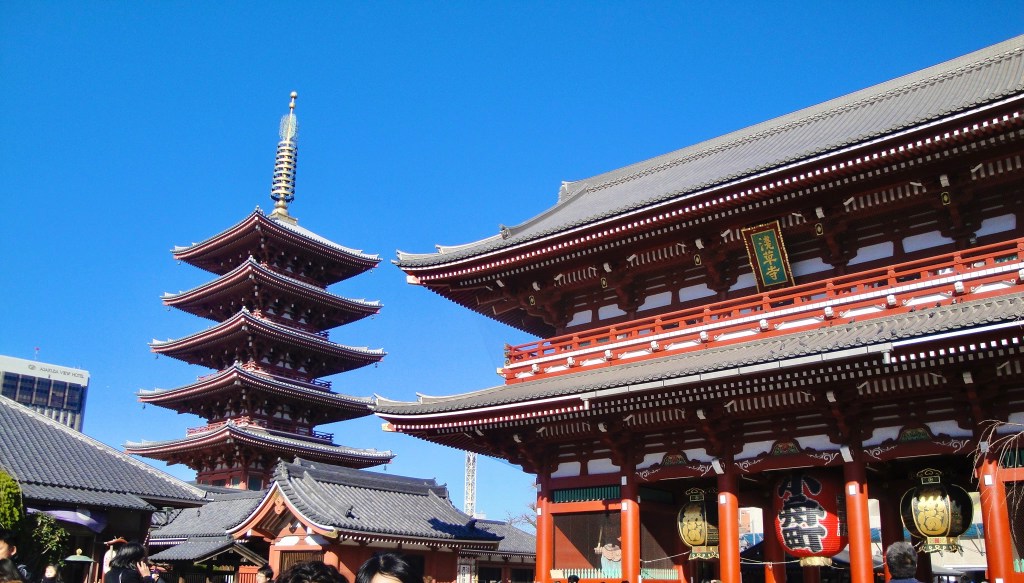
Japan is one of the most fascinating countries in the World and this travel guide will give you the main travel tips to prepare well your trip to Japan whenever you decide to go
Japan is so far away but yet so close as the Japan imaginary fills in our minds like a piece of magic: an exotic destination that mixes ancient traditions, incredible nature and the latest technology, taking us from the most busiest cities to the middle of peacefulness in the middle of nowhere.
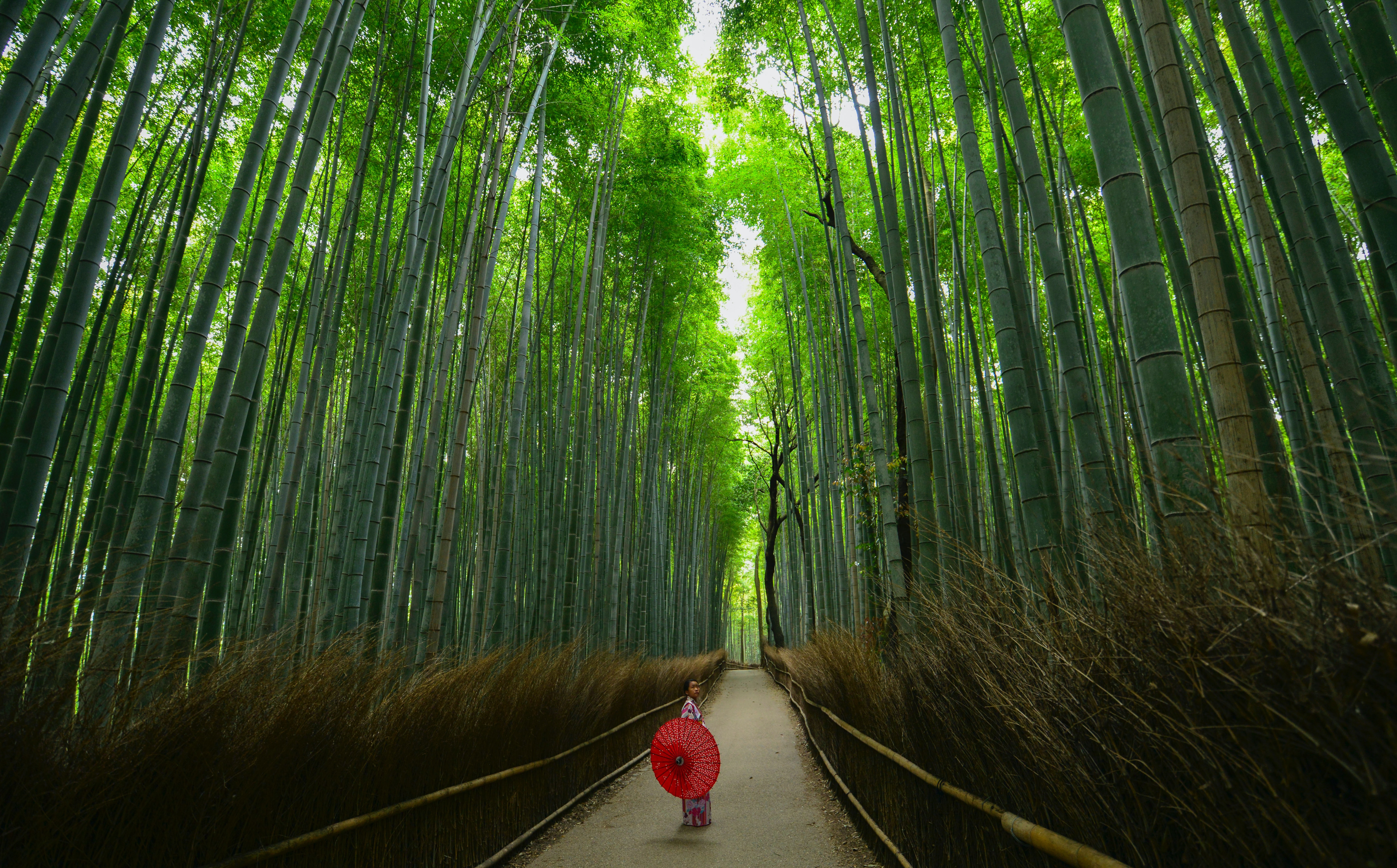
The beautiful Arashyiama bamboo forest near Kyoto is a nature wonder by day and night, one of the many great reasons to visit Japan
This travel guide to Japan was composed by me to offer you a practical view on how to prepare your trip to Japan, considering the most important factors when planning the itinerary to Japan like the best time to go to Japan, how to get to Japan and get around Japan, suggestions on where to eat and stay in Japan and a list of the top attractions in Japan. From here you should be able to define your first draft of your Japan travel plan.
Here below is a map of the 5 islands of Japan to familiarize you with the geography of the country, highlighting some of the cities in each island.
WHEN TO GO TO JAPAN
The best time to go to Japan is usually in Springtime from March to May and then from September to December.
The Springtime period in Japan is wonderful due to the cherry trees blossom season (sakura) that usually reaches its peak in April. Weather is still mild in most Japan with 15 – 20 degrees celsius but the days are sunnier and rainfall will be much less.
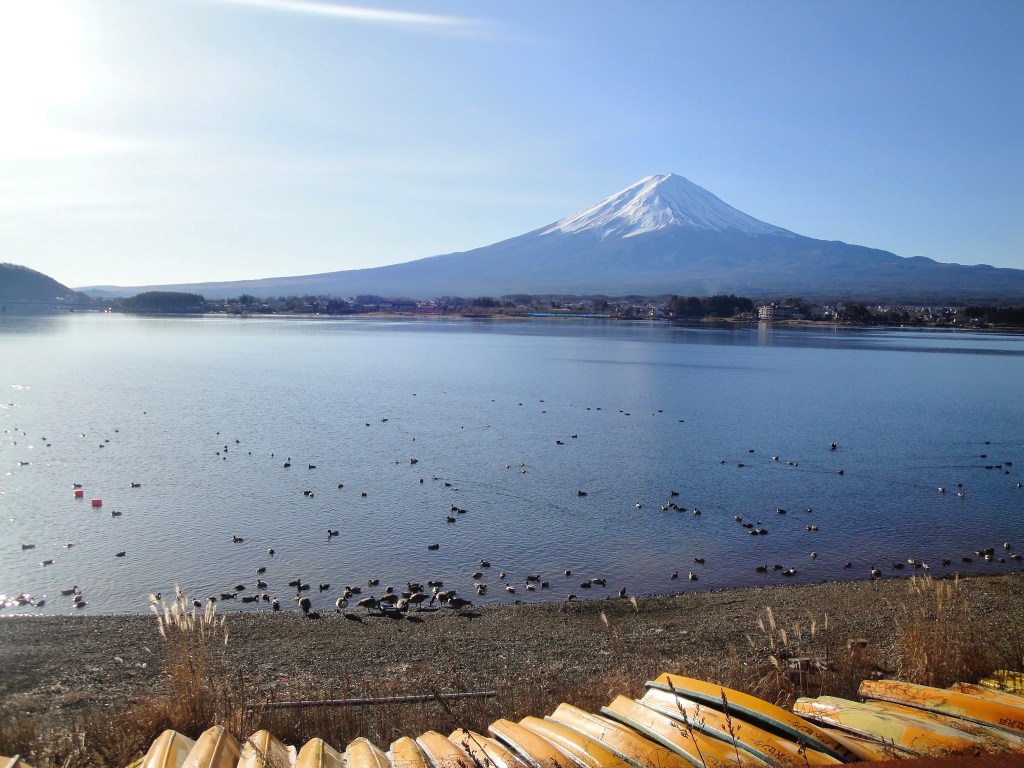
September to December is when the warmer days are gone but the skies start to become cleaner with less haze in the bigger cities and mount Fuji, with autumn leaves starting to settle in giving a colourful landscape near the main temples. Weather will hold on mostly on 15 degrees until the first snowfall drops in December, making with usually blue skies across most Japan. December will be on 5 to 10 degrees in a city like Tokyo but expect sunny weather and great visibility around Mount Fuji.
HOW TO GET TO JAPAN AND GET AROUND HERE
The best way to get to Japan is by air to any of the main international airports, namely Tokyo and Osaka as the main hubs. All the main international flight companies fly to both airports such as Air France/KLM or Lufthansa. The local Japanese ANA, the All Nippon Airways, also connects to many worldwide cities.
From Tokyo airport, the best way to get to Tokyo city center is by taking the Narita Express train that will drop you straight at the Tokyo central station, Shinjuku or Yokohama in less than one hour, leaving every 30 minutes. Ticket one-way costs 6,000 yen that’s approximately 50 EUR/USD. Taxis in Japan are extremely expensive and will cost you 25,000 yen from Narita Airport train to Shinjuku area for example and usually it won’t be quicker as traffic around Tokyo can be quite heavy. If you are more on a budget, the alternative is to get the Keisei Limited Express from the airport to Nippori Station (75 minutes, 1050 yen) and then transfer to the JR Yamanote Line to Shinjuku (20 minutes, 200 yen).
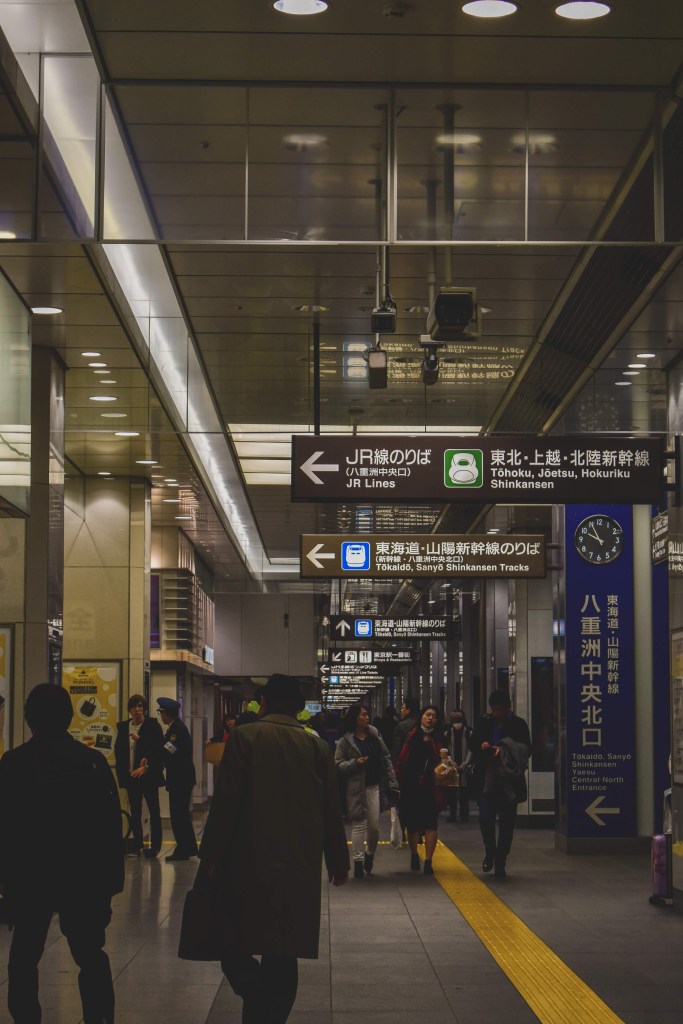
To move around Japan there are mainly 2 transport alternatives: train/ bus or drive by car. The train option might be the best to avoid any hassles of driving and will be always connecting you quickly and efficiently as trains in Japan are the most punctual, fastest and comfortable in the World.
The most effective way to use the trains in Japan is by using the JR pass (Japan Railways pass). It’s basically given you access to all trains of the JR company in a certain period of time that you define from 7, 14 or 21 days and can be a national one or just a regional one, depending in which parts of Japan you will travel.

The JR pass is much cheaper than buying single tickets and is already paying off usually after 4 train trips. Very important to know is that you can only buy the JR pass outside Japan and not when you are in Japan! You will get a voucher when you do the online reservation, that you can exchange for the pass itself when you arrive in Japan directly at any Japan Railways counter. It actually deserves an article of its own where I will detail all the options, but do have a look to the following link for officially checking all the options and even have a discount here depending on which pass you buy. For more informations contact me. mmeme. me.

Then to connect to the main locations you can take JR buses that are spread all over Japan. Have a look to this excellent article at JR pass official website. Note that JR pass doesn’t give access to non-JR trains such as the Koyasan cable car for example or the subway, like in Osaka or Tokyo. These need to be bought separately.
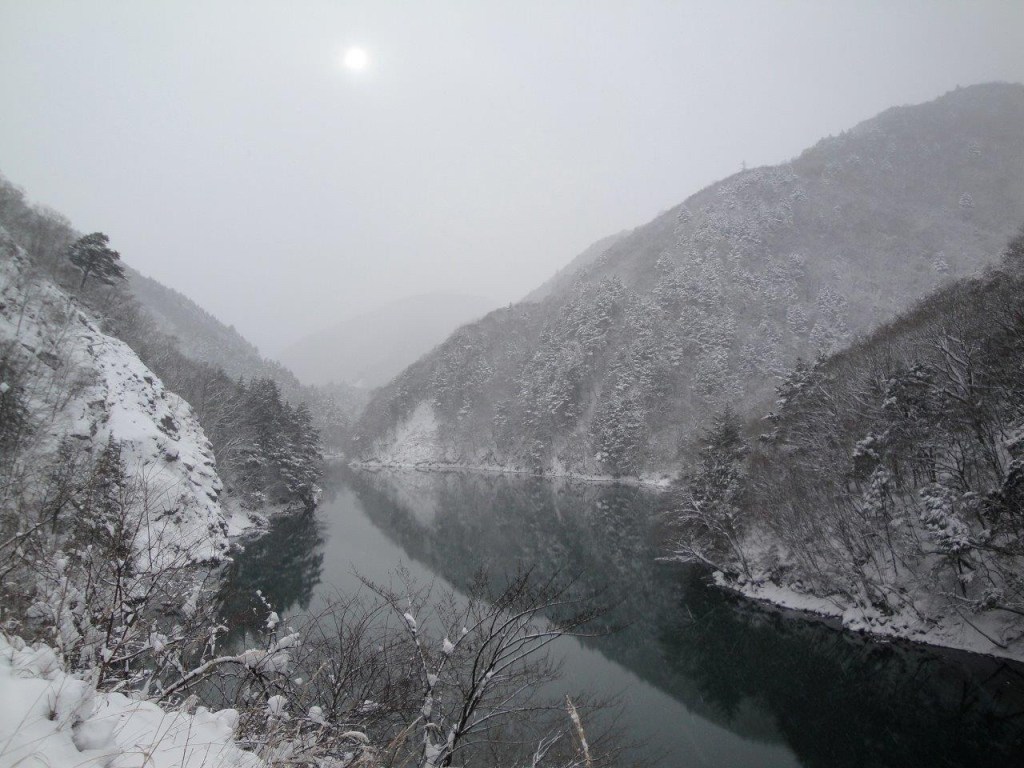
Even if I don’t advise to travel by car, its actually possible and legal as long as you get your driver license translated by the local Japanese ambassy or consulate in your country of residence at least one month before your travel. It’s as simple as going to the local embassy website and request it, there is a small fee to it. I actually drove to the Japanese Alps to have not only the experience but also to know how to manage to see more attractions in less time and I can tell you that despite having been a great adventure to drive a car with GPS in Japanese (there were none in English available anywhere at the time I travelled there a couple of years ago!) in the middle of some heavy snowfall, I would definitely catch the train now.
HOW MUCH TIME TO PLAN FOR A JAPAN TRIP
The recommended time to make a trip in Japan is 3 weeks, that will be enough to cover all them top attractions in West, Central and East Japan. Tokyo alone deserves at least 3 days, not counting with a side trip to Disneyland Tokyo or Nikko imperial city for example. Okinawa could come as an additional trip were you need to count with additional days, as you will. We’d to fly in and out.
If you have less time like 14 days, you can still cover many of Japan’s top attractions, but then you should focus in less regions and even skip some of the slower connections to more remote regions like the Japanese Alps.
Contact me for a personalized itinerary that can fit your schedule, budget and interests.
WHERE TO STAY IN JAPAN
The best places to stay in Japan are usually hotels near the main city hubs, as they will grant you access to most attractions without having to catch too many transfers. Tokyo and Osaka are usually the most expensive cities to find proper lodging, so count with a cost of 80-100€ night per person.
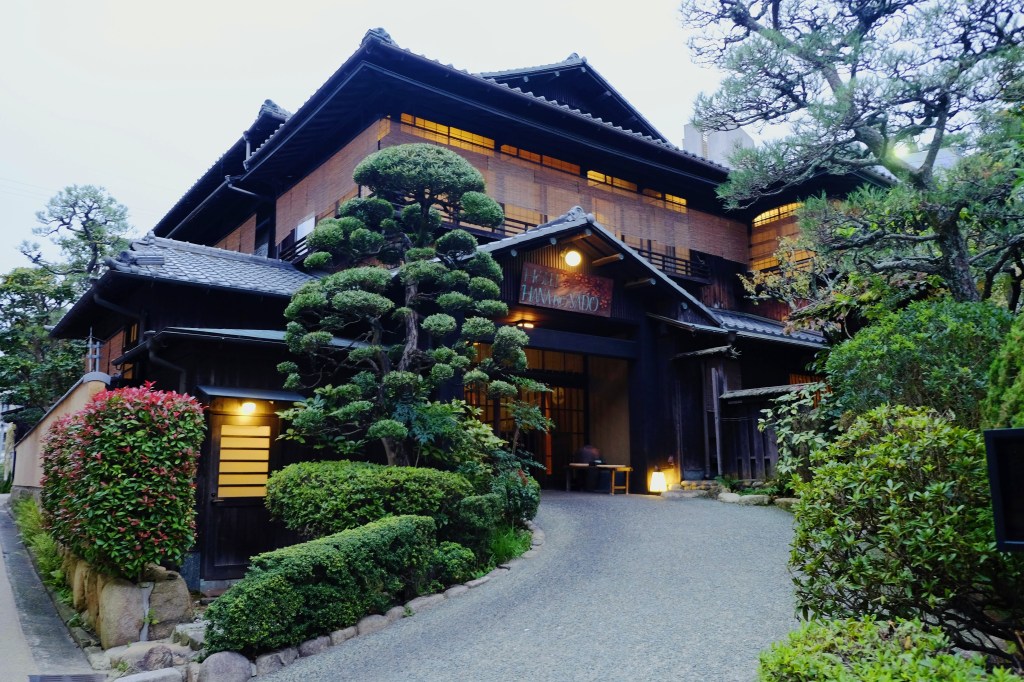
Japan also has some special guesthouses, namely outside the big cities, called ryokans that are much more good value for money, depending on the level of luxury but count with 40-50€ per night per person. Its a traditional guesthouse that is made mainly of paper walls and tatami carpet floors corridors and you will sleep on a matrasse on the floor, not a standard bed. Usually the owner will meet and greet you personally and explain you all about the ryokan, whose package usually comes with meals included. The most luxurious ones even offer own thermal baths (near Mount Fuji for example). Whilst the sleep conditions are good, you might need some time to adapt in the first couple of nights as its unusual to sleep, eat and even sit permanently on the floor. Final note on ryokans, its standard to have common bath areas for all guests and not private ones.
A final mention to the special accommodation at Buddhist temples that is available near sacred shrines such as Mount Koyasan. It resembles a ryokan with the main difference that you can attend prayers, food will be totally vegetarian and they close early, so you need to be in your ryokan not later than 5pm! I really loved that experience of overnight stay at a buddhist temple and can recommend Koyasan as an amazing place to spend 1-2 nights.
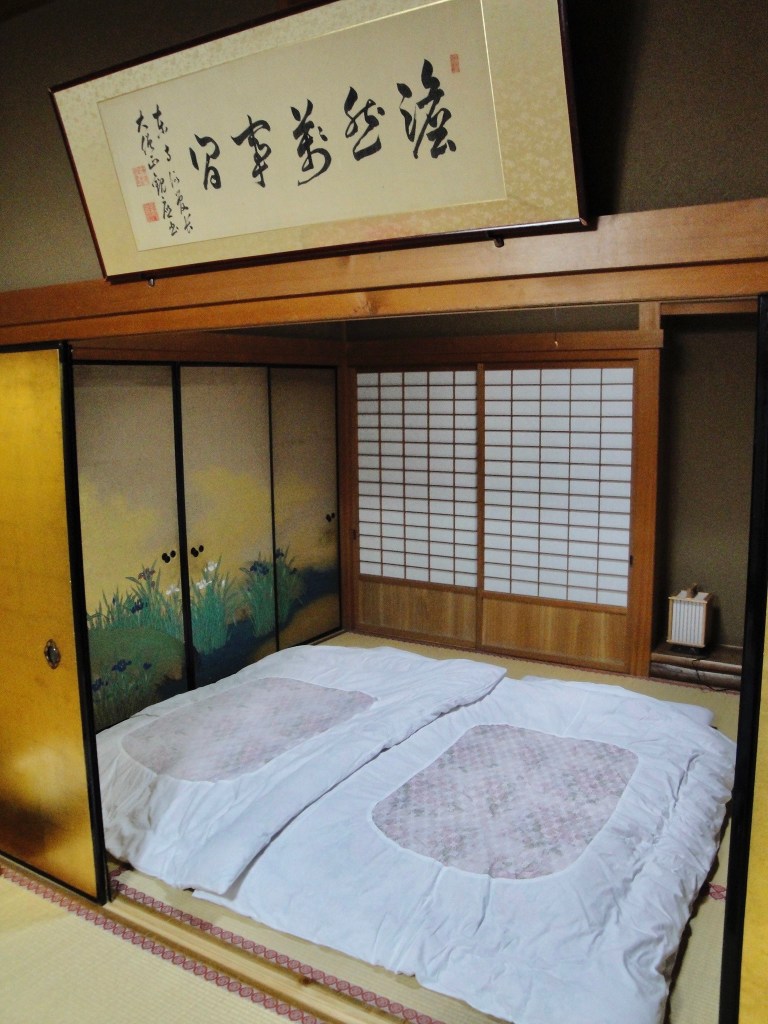
As almost anywhere accommodation is a very personal choice depending on your budget, desired options and areas that you will stay, that I ask you to contact me for specific recommendations when doing a personalized itinerary.
WHERE TO EAT IN JAPAN
Thanks to globalization, Japanese cuisine has now become a very popular cuisine in most countries, Now you will be surprised that even sushi is very popular, Japanese eat much more noodle soups, fried vegetables, small grilled skewers and small bowls mixing different kinds of food together with boiled rice and green tea on the side. You won’t see many international cuisine options here, only in the big cities there will be some good options. Interesting enough South Korean and Mongolian barbecue restaurants are quite common in the bigger options, basically an all you can grill and / or fry kind of restaurant, quite popular among Japanese.

In Japan you should eat mainly at their small restaurants or food stalls for lunch and at dinner enjoy a more traditional restaurant with seafood, vegetables and even great meat (Kobe beef) but of course do look to eat some of the finest sushi. Menus in english are not always available but all menus have pictures and with some luck the waiter will be able to explain the menu. Meals in Japan can be expensive, especially in Tokyo, for about 30€ per person plus beverages with alcohol tending to be expensive. Outside big cities the same can cost only 15€ such is the contrast.


Its generally safe to drink tap water in Japan but try to consume botlled water. And for coffee lovers, except for big cities, most places only have tea, that is also a very common beverage to be served with all meals, often even with free refills.
TOP 10 THINGS TO DO IN JAPAN
The top things to do in Japan are very different than most countries as its really a mix of nature, big cities and temples or castles than can make an immense list. I did prepare a different post with the top 20 things to do in Japan, so I will insert here the top highlights out of that list but do read the other post, see link below, and some others that I will post , namely about Tokyo. These are the top 10 attractions you must see in Japan:
- Mount Fuji
- Tokyo
- Osaka
- Himeji Castle
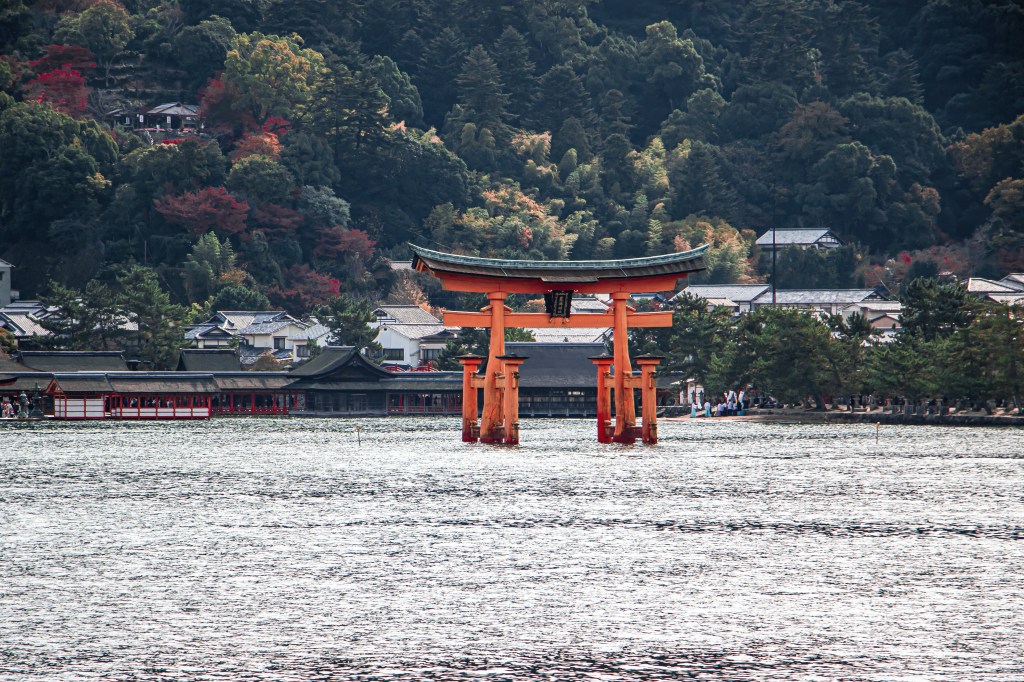
- Hiroshima
- Mount Koyasan
- Nara
- Kyoto
- Nikko
- Takayama

Hope this travel guide gave you enough food for thought, its just the beginning of a great plan to have the best travel itinerary in Japan.
Do ask me for a personalized itinerary because Japan is a very special country with many specificities and you need to know your way how to get to places efficiently and getting to places quickly.

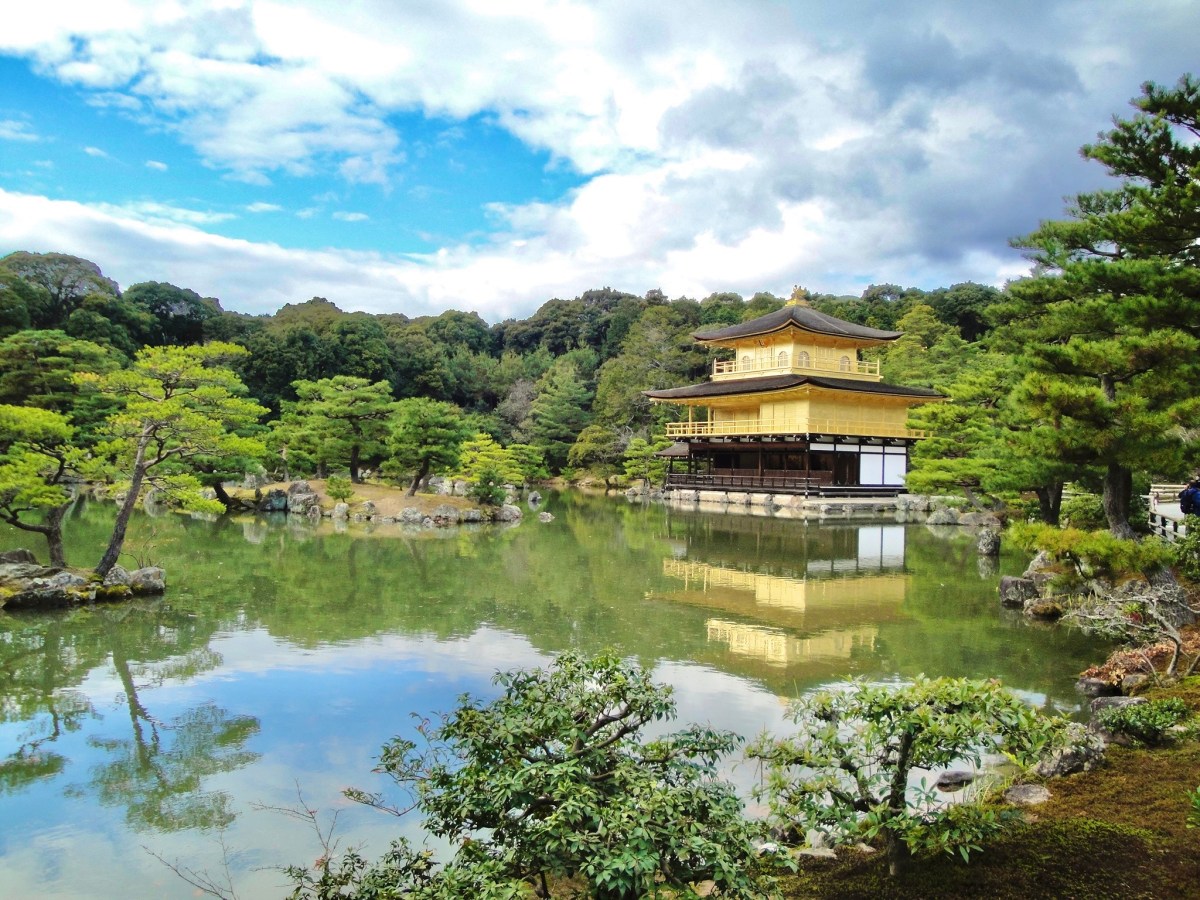
THE ULTIMATE TOP 20 THINGS TO DO IN JAPAN FOR THE BEST TRIP EXPERIENCE
Japan is a country with a huge diversity but with these top 20 things to do you will be experiencing the best of Japan in your trip
 WELCOME TO THE INSIDE TRAVELLER!
Leave a comment